Great Benefits of Walnuts
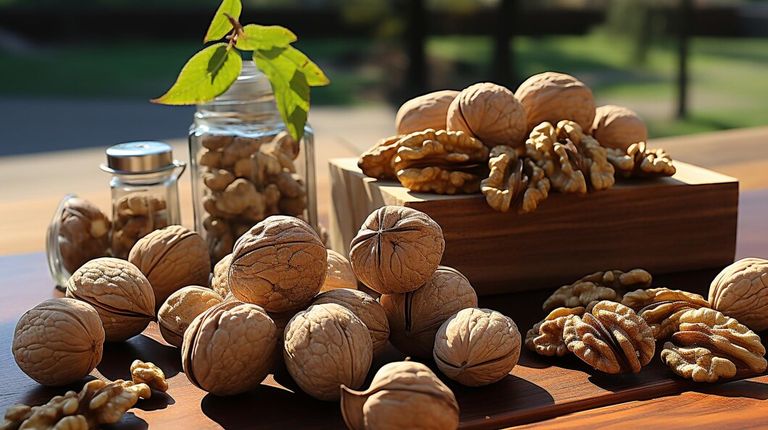
Nutritious ingredients in walnuts
Benefits of walnuts
Walnuts are rich in antioxidants
Walnuts are a super plant source of omega-3
Walnuts can reduce inflammation.
Walnuts promote healthy intestines
Walnuts may reduce the risk of certain cancers
Walnuts support weight control
May help control type 2 diabetes and reduce your risk of developing it.
Eating walnuts can help lower blood pressure.
Walnuts support healthy aging
Walnuts support good brain function
Walnuts support male reproductive health
When to avoid walnuts?
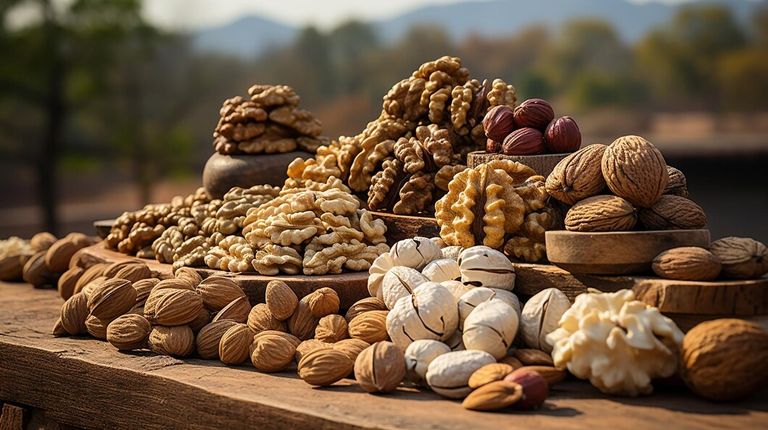
Nutritious ingredients in walnuts
Freepik
They are rich in fiber. (Walnut) The benefits of walnuts are limitless. Walnut
These nuts are rich in fatty acids, vitamins, minerals and plant components.
One ounce (28 grams) of walnuts provides 185 calories. It also contains 4 grams of protein, 18 grams of fat, and 3 grams of carbohydrates. Here are the other nutrients in one ounce of walnuts:
1.9 g of fiber
27 mg of calcium.
44 mg of magnesium.
98 mg of phosphorus.
125 mg of potassium.
1.3 micrograms of selenium.
28 micrograms of folate.
5 IU Vitamin A
0.7 mg of vitamin E.
Benefits of walnuts
Following are the benefits of walnuts
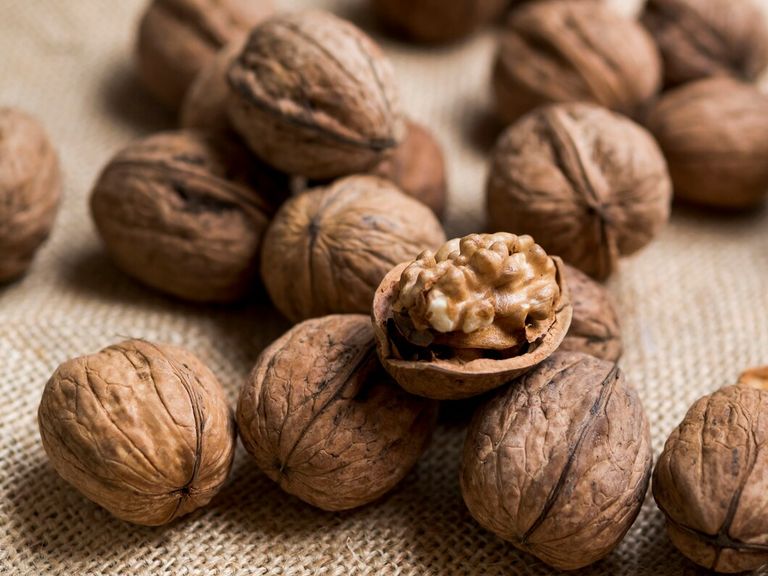
Walnuts are rich in antioxidants
Walnuts have higher antioxidant activity than any other common nut.
This activity comes from vitamin E, melatonin and plant compounds called polyphenols, which are high in the papery skin of walnuts.
Early, small studies in healthy adults showed that eating a meal rich in walnuts prevented oxidative damage to "bad" LDL cholesterol, while a meal high in refined fat did not.
This is beneficial because oxidized LDL can be prone to build up in your arteries, causing atherosclerosis.
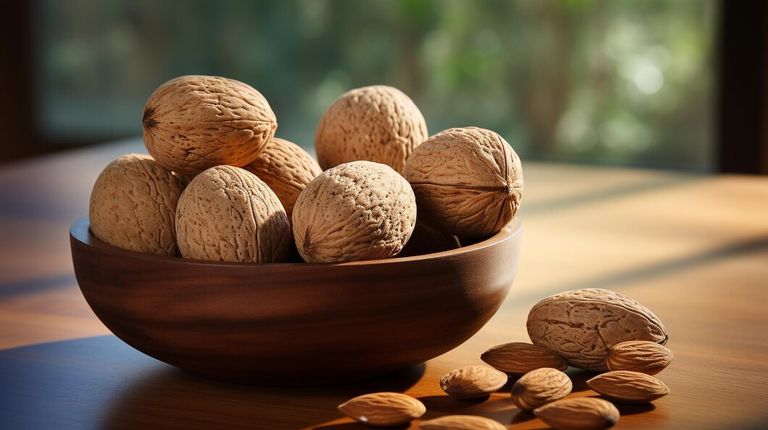
Walnuts are a super plant source of omega-3s.
Walnuts are significantly higher in omega-3 fats than any other nut, offering 2.5 grams per 1 ounce (28 grams).
Omega-3 fats from plants, including walnuts, are called alpha-linolenic acid (ALA). It's an essential fat, meaning you get it from your diet.
According to the Institute of Medicine, the optimal amount of ALA is between 1.6 and 1.1. Eating one serving of walnuts for men and women respectively meets this guideline
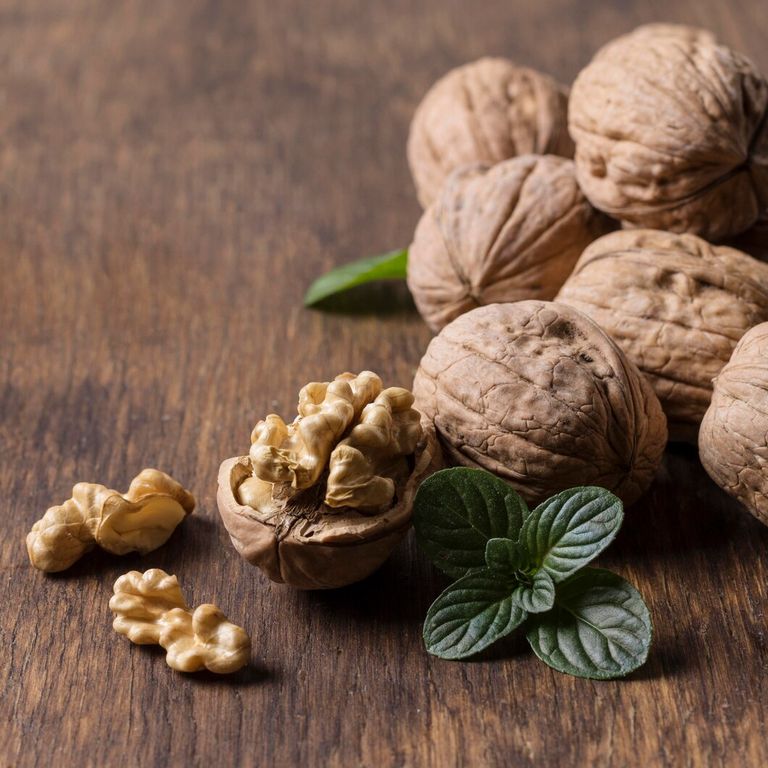
Observational studies show that every gram of ALA you eat daily reduces your risk of dying from heart disease by 10 percent.
Walnuts can reduce inflammation.
Inflammation is at the root of many diseases, including heart disease, type 2 diabetes, Alzheimer's disease and cancer, and can be caused by oxidative stress.
The polyphenols in walnuts can help fight this oxidative stress and inflammation. A subgroup of polyphenols called algatins may be particularly involved
Beneficial bacteria in your gut convert algatinins into compounds called urolithins, which have been found to protect against inflammation.
ALA omega-3 fats, magnesium, and the amino acid arginine in walnuts can also reduce inflammation.
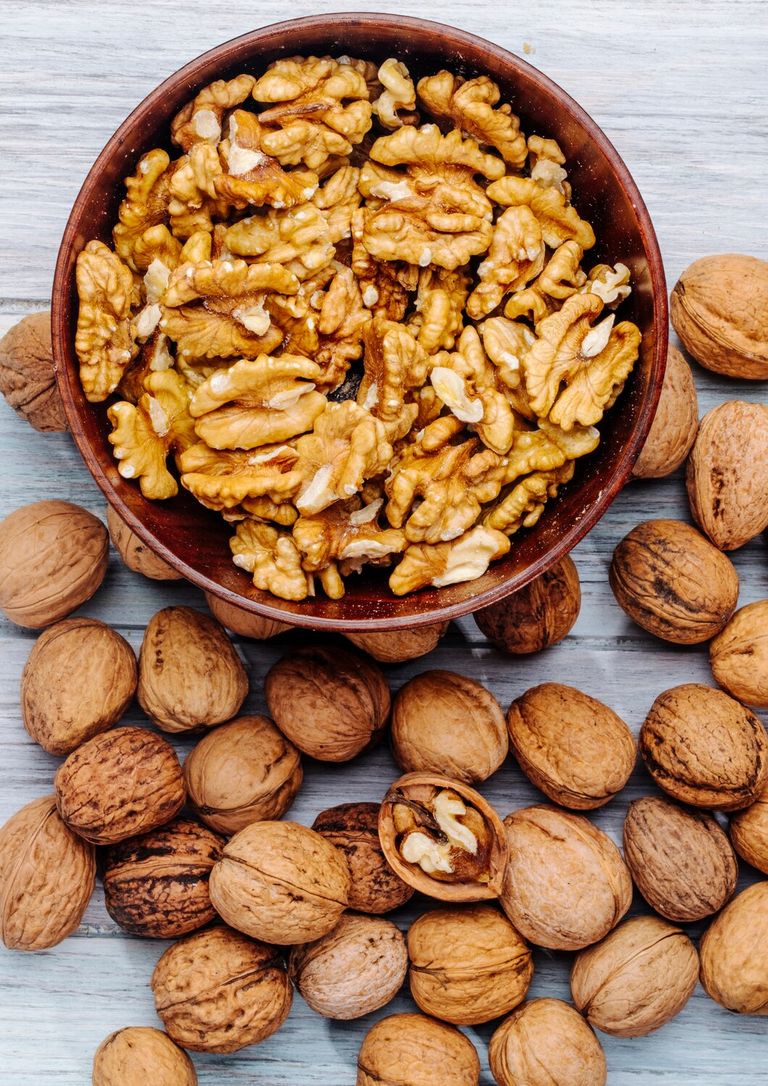
Walnuts can reduce inflammation.
Inflammation is at the root of many diseases, including heart disease, type 2 diabetes, Alzheimer's disease and cancer, and can be caused by oxidative stress.
The polyphenols in walnuts can help fight this oxidative stress and inflammation. A subgroup of polyphenols called algatins may be particularly involved
Beneficial bacteria in your gut convert collagens into compounds called urolithins, which have been found to protect against inflammation.
ALA omega-3 fats, magnesium, and the amino acid arginine in walnuts can also reduce inflammation.
Walnuts promote a healthy gut
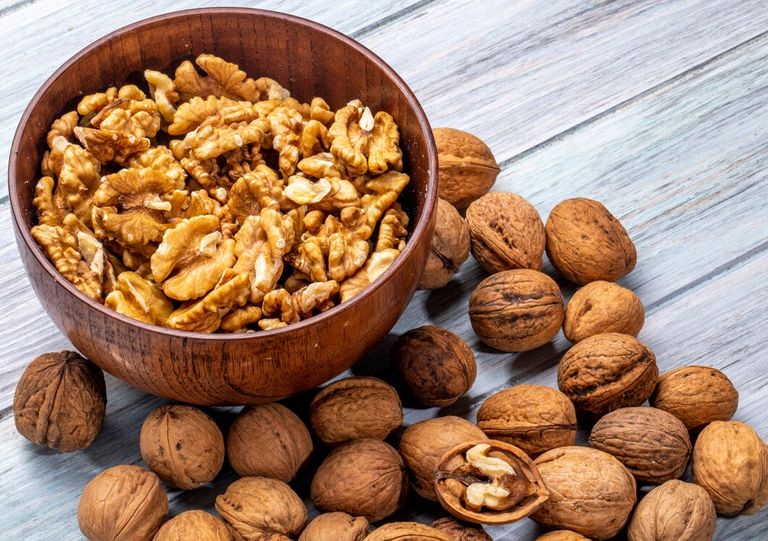
Studies show that if your gut is rich in health-promoting bacteria and other microbes (your gut microbiota), you're more likely to have a healthy gut and good overall health.
An unhealthy composition of your microbiota can contribute to inflammation and disease in your gut and elsewhere in your body, increasing your risk of obesity, heart disease and cancer.
What you eat can significantly affect the makeup of your microbiota. Eating walnuts can be a way to improve your microbiota and your gut health.
When 194 healthy adults ate 1.5 ounces (43 grams) of walnuts daily for eight weeks, they had an increase in beneficial bacteria compared to a period of no walnut consumption.
This includes the addition of bacteria that produce butyrate, a fat that nourishes your gut and promotes gut health.
Walnuts may reduce the risk of certain cancers
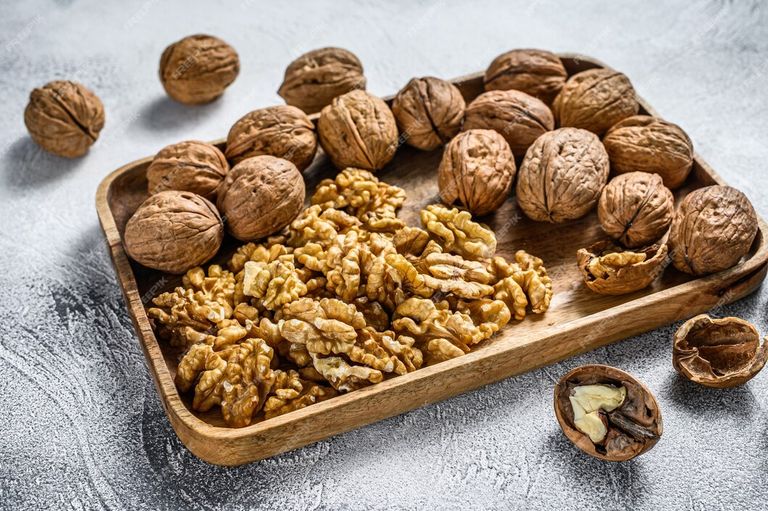
Freepik
Test-tube, animal, and human observational studies show that eating walnuts may reduce your risk of certain cancers, including breast, prostate, and colorectal cancer.As mentioned earlier, walnuts are rich in polyphenol alginates. Some gut microbes can convert them into compounds called urolithins
Urolithins may have anti-inflammatory properties in your gut, which may help protect against colorectal cancer by eating walnuts.
The anti-inflammatory actions of urolithins may also help protect against other cancers
Freepik
Additionally, urolithins have hormone-like properties that enable them to block hormone receptors in your body. It may help reduce the risk of hormone-related cancers, especially breast and prostate cancer.
More human studies are needed to confirm the effects of eating walnuts on reducing the risk of these and other cancers, as well as to clarify any ways or mechanisms by which they may help.
Walnuts support weight control
Walnuts are packed with calories, but studies show that their energy intake is 21% lower than expected based on their nutrient content.
Moreover, eating walnuts can also help control your appetite.
In a well-controlled study in 10 obese people, drinking a smoothie made with about 1.75 ounces (48 grams) of walnuts once a day reduced appetite for five days, compared with a placebo drink containing calcium and Nutrients are equal to it.
Freepik
Additionally, five days after consuming the walnut smoothies, brain scans showed that participants had increased activation in an area of the brain that led them to resist highly attractive food cues, such as cake and French fries. Resist.
Although larger and longer-term studies are needed, this provides some initial insight into how walnuts can help control appetite and weight.
May help control type 2 diabetes and reduce your risk of developing it.
Observational studies show that one of the reasons walnuts are associated with a lower risk of type 2 diabetes is that they help with weight control. Excess weight increases your risk of high blood sugar and diabetes
Still, eating walnuts may help control blood sugar through mechanisms beyond their effect on weight control.
Freepik
In a controlled study of 100 people with type 2 diabetes, consuming 1 tablespoon of cold-pressed walnut oil daily for 3 months, while continuing their usual diabetes medications and a balanced diet, reduced fasting blood sugar. There was a decrease of 8%
Additionally, hemoglobin A1c (3-month average blood sugar) decreased by about 8% in walnut oil users.
Eating walnuts can help lower blood pressure
High blood pressure is a major risk factor for heart disease and stroke.
Some studies show that eating walnuts can help lower blood pressure, including in people with high blood pressure and in healthy people when under stress.
Among other diets, a prior four-year study of nearly 7,500 adults at high risk of heart disease tested a Mediterranean diet that included 1 ounce (28 grams) of mixed nuts per day, half of which were walnuts. were
At the end of the study, people on a nut-rich Mediterranean diet had a 0.65 mmHg reduction in diastolic blood pressure (bottom number) compared to a similar heart-healthy control diet that ate nuts. were not given
This suggests that nuts may slightly improve the blood pressure benefits of a heart-healthy diet. This is important, because small differences in blood pressure have a big impact on your risk of dying from heart disease.

Walnuts support healthy aging
As you age, good physical activity is important to maintain your mobility and independence.
One thing that can help you maintain your physical abilities is healthy eating habits.
In an observational study of more than 50,000 women over the age of 18, scientists found that those with a healthy diet had a 13 percent lower risk of physical weakness. Walnuts were among the foods that contributed the most to a healthy diet.
Although high in calories, walnuts are packed with essential vitamins, minerals, fiber, fats and plant compounds that can help your body function well as you age.
Walnuts support good brain function
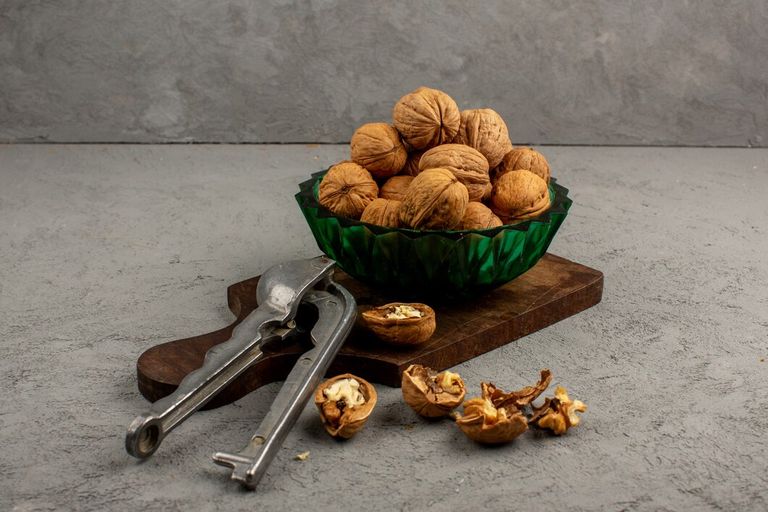
It may just be a coincidence that the shell of a walnut looks like a tiny brain, but research suggests that this nut may actually be good for your brain.
Animal and test-tube studies have shown that nutrients in walnuts, including polyunsaturated fats, polyphenols and vitamin E, can help reduce oxidative damage and inflammation in your brain.
In a 10-month study of Alzheimer's disease, mice fed 6–9 percent of their calories as walnuts (equivalent to 1–1.5 ounces or 28–45 grams per day in humans) improved learning skills, compared to a walnut-free control group. In comparison, there was a significant improvement in memory and reduction in anxiety.
Observational studies in older adults have linked eating walnuts to better brain function, including faster processing speed, greater mental flexibility and better memory.
Although these results are encouraging, rigorous conclusions are needed to test the effects of walnuts on brain function in humans.
Walnuts support male reproductive health
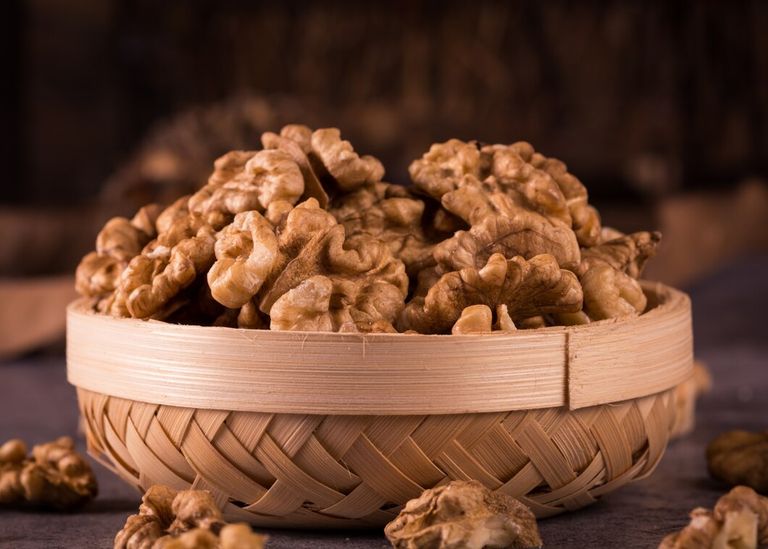
Freepik
The typical Western diet – high in processed foods, sugar and refined grains – has been linked to lower sperm function.
Eating walnuts can help sperm health and male fertility.
When 117 healthy young men added 2.5 ounces (75 grams) of walnuts daily to their Western-style diet for three months, their sperm shape, vigor and motility improved, compared to men who did not eat nuts. were
Animal research shows that eating walnuts can help protect sperm by reducing oxidative damage to their membranes.
More studies are needed to confirm these benefits, but if you're a man concerned about fertility, eating walnuts is a simple thing to do.
When to avoid walnuts?
Freepik
Walnuts may seem like a superfood with their valuable vitamins and nutrients, but you should avoid them in certain situations.
If you are allergic to nuts. Let's start with the obvious: If you have a tree nut allergy, walnuts are not for you. Symptoms of an allergic reaction can range from a simple itchy mouth (oral allergy syndrome) to severe, life-threatening conditions such as anaphylactic shock.

 173.759 SRY