

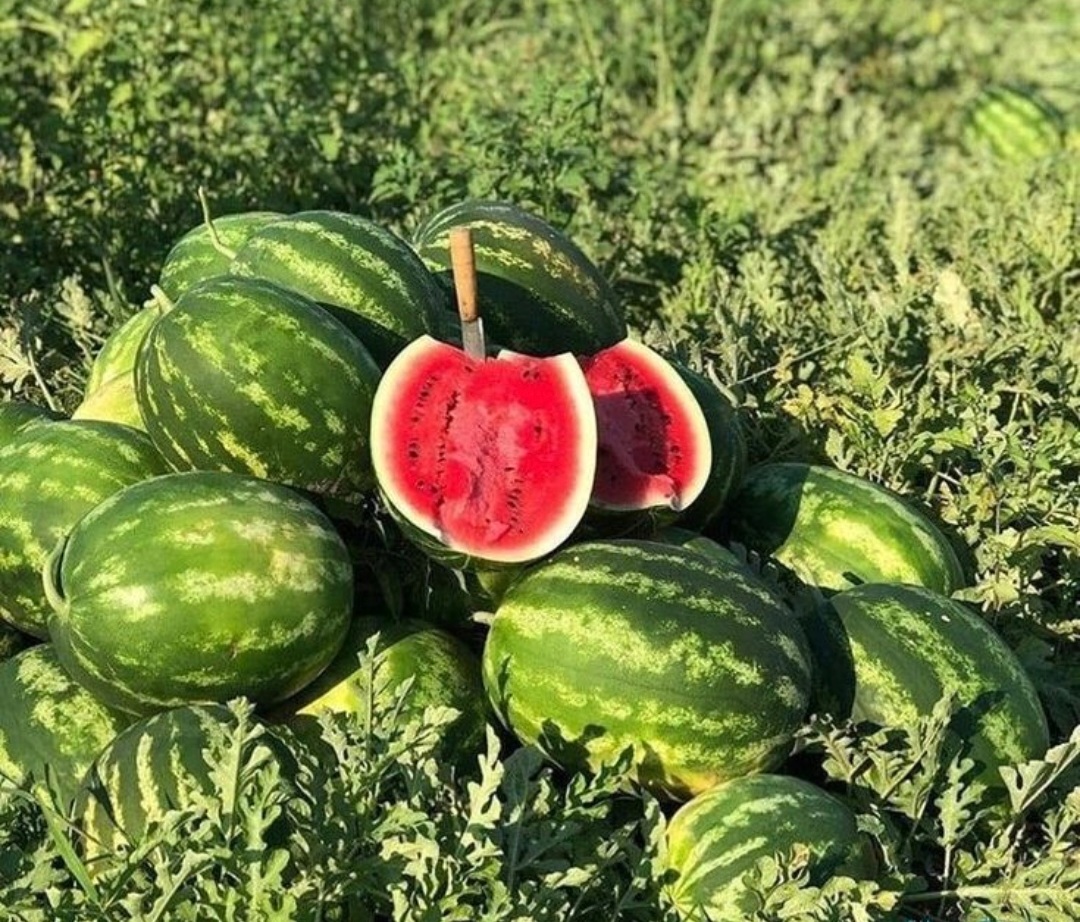
 To grow watermelon and maximize fruit production, follow these steps:
1. **Choose the Right Variety**:
- Select a high-yielding watermelon variety suitable for your climate. Popular varieties include Crimson Sweet, Sugar Baby, and Charleston Gray.
2. **Planting Location**:
- **Sunlight**: Ensure the plants receive full sun for at least 8 hours a day.
- **Soil**: Plant watermelons in well-draining, sandy loam soil. The soil should be rich in organic matter. Amend the soil with compost or well-rotted manure.
3. **Planting**:
- **Spacing**: Space plants 3-6 feet apart in rows that are 6-8 feet apart. This gives the vines room to spread.
- **Depth**: Plant seeds 1-2 inches deep. If using transplants, plant them at the same depth as they were in the pots.
4. **Watering**:
- **Young Plants**: Water regularly to keep the soil consistently moist, not waterlogged.
- **Flowering and Fruit Setting**: Reduce watering once fruits start to grow to prevent splitting and encourage sweetness.
5. **Fertilization**:
- **Early Growth**: Use a balanced fertilizer (e.g., NPK 10-10-10) during early growth. Apply according to the package instructions.
- **Fruit Development**: Switch to a fertilizer higher in phosphorus and potassium (e.g., 5-10-10) once the vines start to flower to support fruit development.
6. **Pruning and Training**:
- Train the vines to grow in a designated area to prevent overcrowding. Prune excess vines to direct energy to fewer fruits for better quality.
7. **Mulching**:
- Apply mulch around the plants to retain moisture, regulate soil temperature, and suppress weeds. Keep mulch a few inches away from the stems to prevent rot.
8. **Pest and Disease Control**:
- **Pests**: Monitor for common pests such as aphids, cucumber beetles, and squash bugs. Use insecticidal soap or neem oil if necessary.
- **Diseases**: Prevent diseases like powdery mildew and fusarium wilt by rotating crops, using resistant varieties, and ensuring good air circulation.
9. **Pollination**:
- Watermelons rely on pollinators such as bees. Encourage pollinators by planting flowers nearby. Hand pollination can also help if pollinator activity is low.
10. **Harvesting**:
- Harvest watermelons when they are mature. Indicators of ripeness include:
- The underside (where the melon touches the ground) turns from white to yellow.
- The tendril closest to the fruit turns brown and dries up.
- The skin of the watermelon becomes dull and resistant to scratching.
By following these steps, you can optimize your watermelon plants for maximum fruit production and enjoy a plentiful harvest.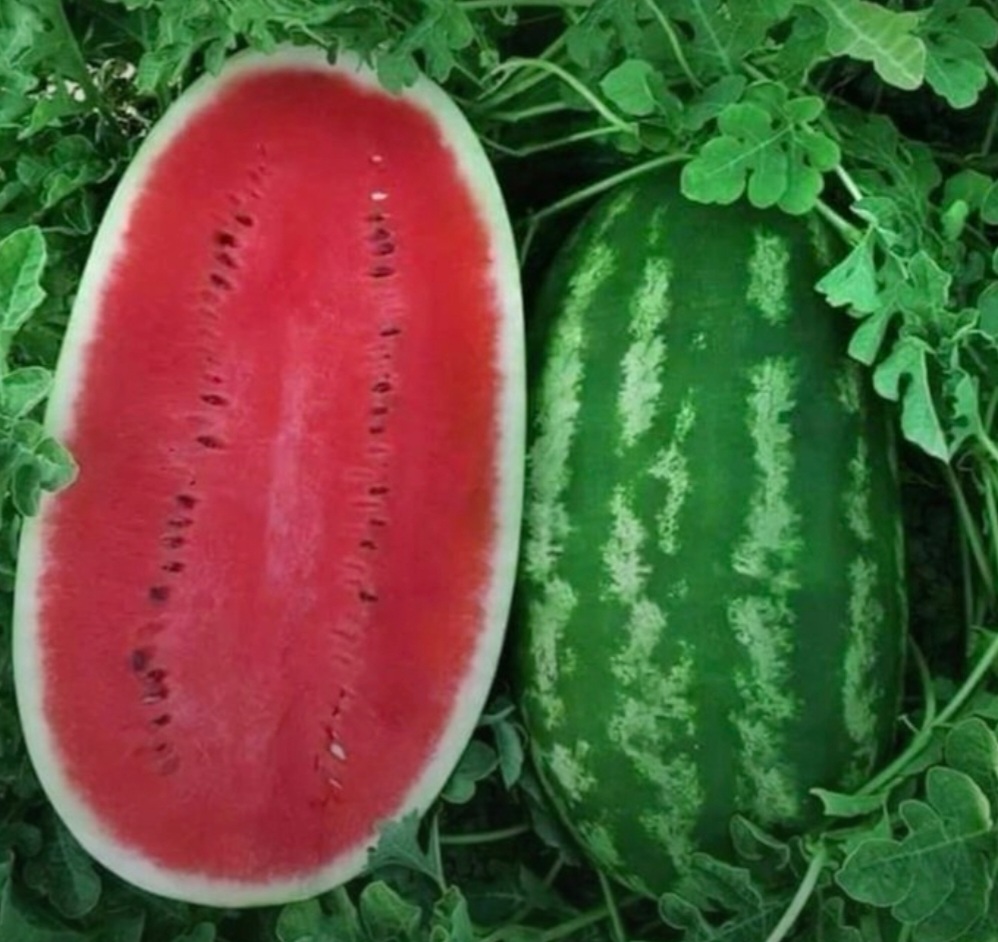

 109.755 SRY