
In web3 and AI, it's simple to get caught up in the surface show — the next-gen tech stack, the hottest new token, the newest LLM benchmark. Founders sell these like talismans, as if the correct framework will take them over every chasm. But here's the reality that every long-term investor learns: the actual leverage in a startup has never been the tech. It's always been people.
Summary
Humans, not technology, innovate — tech is simply a tool; real innovation springs from how founders think, adjust, and develop.
VC is transformation — top-tier investors don't "select" companies, they enable founders to develop more quickly than their problems.
Data is table stakes — metrics, dashboards, and market sizing are commoditized; grit, emotion, and character matter.
Founders aren't machines — resilience is born of emotional bandwidth, agility, and the willingness to shatter existing models to construct new ones.
The punk edge of VC — authentic venture capital is about breaking rules, defending founder freedom, and wagering on individuals who can redefine reality.
Myth: Technology fuels innovation. Reality: Technology simply enables, but does not manufacture it. Technology is only a moment in time — a snapshotted configuration of code, infrastructure, and process. Teams change quicker. Products shift, markets adjust, and strategies realign not because some line of code was altered in a vacuum but because some person within the company altered the way they thought, the way they worked, or what they were convinced was possible. This emphasis on people and their development and maturation is what I find to be a critical element of the VC universe.
When the founder matures, so does the company. When the founding team matures — not in size, but in capability — products get more refined, markets unfold, and strategy gets a new form.
This is why my focus as an investor isn’t on tracking protocols or memorizing LLM benchmark leaderboards. Those are easy to follow and, frankly, commoditized. What I’m looking for is harder to measure: the quality of human transformation happening inside the founding team. That’s where everything else comes from.
Technology is fast. People are faster — but only when they’re truly seen, challenged, and supported. The investor's role is not to "pick" a startup the way one would pick a stock; it's to nurture the founder, to make them notice what they do not yet notice, and provide them with the space and the stress to develop. And this change occurs when they are confronted with the reality as it is: harsh, brutal, difficult, and rewarding. That's where compounding occurs. That's where innovation magic.
The punk face of venture capital
My perspective on VC in many respects is punk. I don't say leather jackets and guitar feedback (although, perhaps that too). I say punk as an attitude — challenging the boundaries once constructed, defying rules no one is brave enough to challenge, rejecting worship of the false idols of "how it's done," and protecting the freedom to create without permission.
Most VC playbooks are built around pattern recognition: track metrics, find traction, chase momentum. I’ve seen the dashboards, the KPIs, the standardized due diligence checklists. Useful? No doubts. But here’s the thing — numbers have already been automated. Data rooms are cleaner than ever, market sizing is a formula, and a half-decent intern can do competitive analysis with open AI tools available for everyone.
What has not been automated are human feelings. The determination of a founder facing an insurmountable challenge. The crackling instant when a team finds flow and delivers against the odds. The dogged refusal to give up when sound analysis dictates "you should."
You can't break that down to a spreadsheet. You can't substitute it with a prompt. You can't teach it from a text. You have to experience through emotions. You have to live. You have to be to act. And being is in feelings.
That's why I approach VC from the lens of emotions, stories, and action. Not because I'm anti-data, but because data is table stakes. It's the humanity layer that's still short and determinant. The story of a founder, how they are telling it and living it, isn't marketing. It's the design of how their business navigates chaos. Humans drive innovation, humans change the world, humans create new worlds, and technology is just a tool they apply to do it with.
Founders aren't machines
We like to talk about founders as if they’re relentless productivity engines: sleep less, execute more, optimize always. But startups aren’t built by machines — they’re built by human beings with contradictory impulses, fears, inspirations, and moments of irrational brilliance.
The most resilient founders I’ve worked with aren’t the ones who “out-grind” everyone. They’re the ones who expand their emotional and strategic range. They are stubborn and flexible in the very same week. They are able to get punched in the gut by the market, work it through, and shift with conviction. They can grasp a vision so tightly that they draw people into it — and then modify the plan without sacrificing the dream. Flexibility and adaptation emerge from the transformation of mind, thought, and emotion. If you view founders as immutable, then you're missing the point.
If you invest in individuals as they are rather than who they might become, then you're investing in a depreciating asset. An example is the decision to fund Antix.in, a technology startup creating hyper-realistic AI digital humans for web3 and the metaverse. Founder Roman Cyganov didn't take home our pitch competition but impressed us in a way that was not necessarily expected — not with slides or data, but with the way he approached an investor event: zero egos, maximum charm, and an aggressive willingness to take criticism. I outlined the painstaking process of decision-making above. Having met with thousands of founders since 2020, I've come to rely more on that sort of character indicator than a deck. That one meeting informed me more about his future potential than any tokenomics graph ever could, and it's why I feel that people, rather than technology, are the real drivers of startups.
Therefore, the strongest lever in early-stage investing is assisting founders to grow faster than their problems. That's not a budget line item. That's relationship work. That's trust. That's mentorship. Venture capital's true work isn't answering questions — it's assisting folks to find answers on their own.
The liberty to build (and demolish)
A human capital approach to VC isn't all about "being nice" or conducting additional founder therapy sessions. It's about giving and preserving the founder's liberty to create the thing only they can create — and sometimes, to destroy what they've created in an effort to make it better.
Disruption is romanticized in technology, but a lot of it is actually internal. The entrepreneurs who create it are the ones who are going to blow up their own rules, their own assumptions, their own comfortable models, over and over. It's punk in the absolute sense: if the rules don't work for you, throw them away and create your own ones!
That's the type of founder I support — the one that won't hesitate to shatter what they have just created, and that understands destruction as a type of care. At times it is even necessary for survival, but to know that they need to put their products into the real world, with pain and pressure, with joy and epiphanies, with life itself.
Technology is the medium, people are the source
In web3 and AI, technology shifts at a pace that leaves you spinning. Protocols come and go in months. Models become obsolete in weeks. But the founders who survive, the ones who shape category-leading businesses, are not the ones who merely "keep up." They are the ones who change in tandem with — or ahead of — the world around them. They are the ones who shape the world.
If we are to discuss leverage in startups, let's not make believe it resides in the codebase. It resides in the humans who may change, learn, transform, and lead. The rest — the pivots, the product-market fits, the exits — follows from that.
I do not invest in technology. I invest in individuals who may change the world.
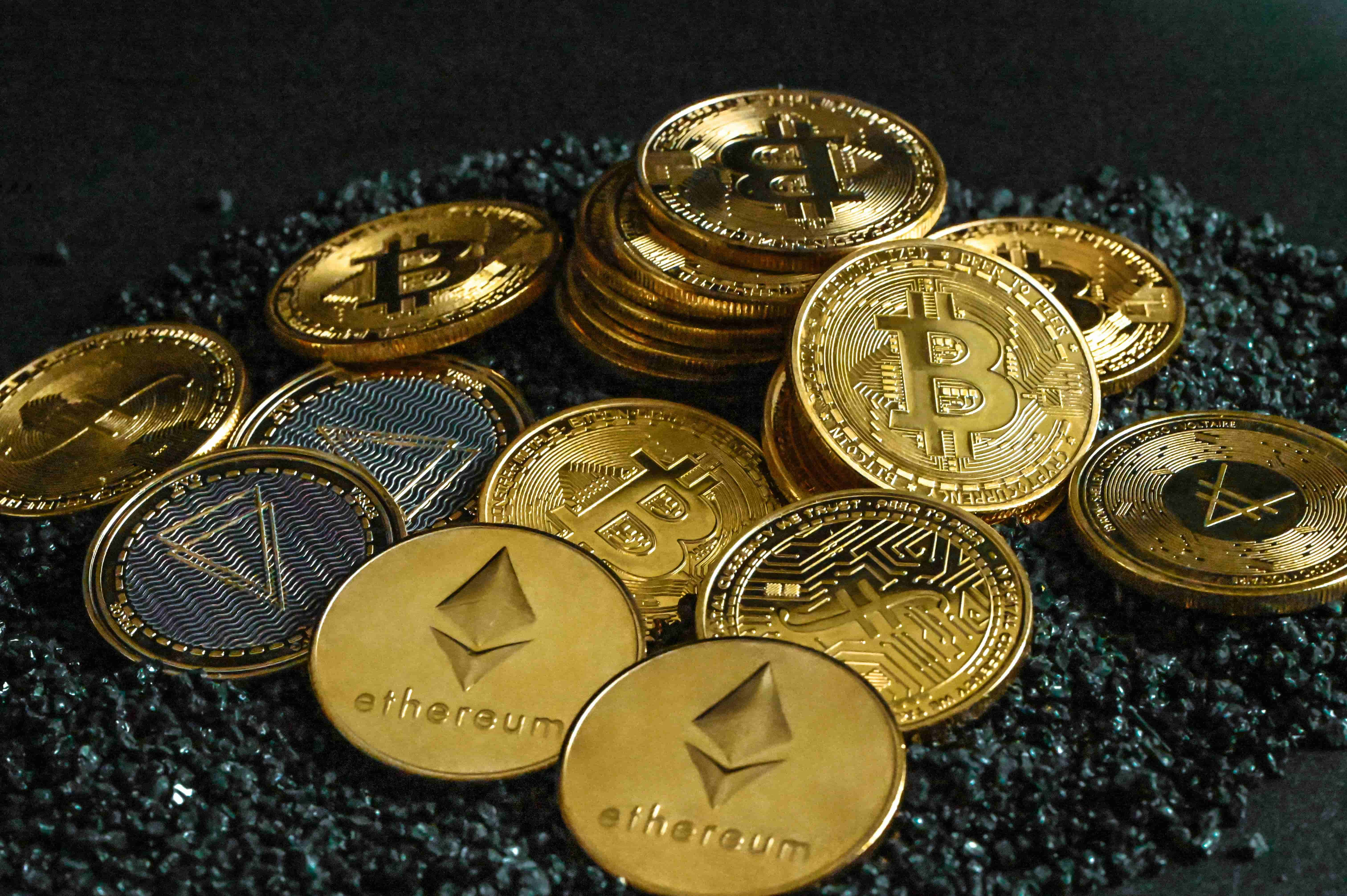
image source www.unsplash.com

 0.222 SRY