
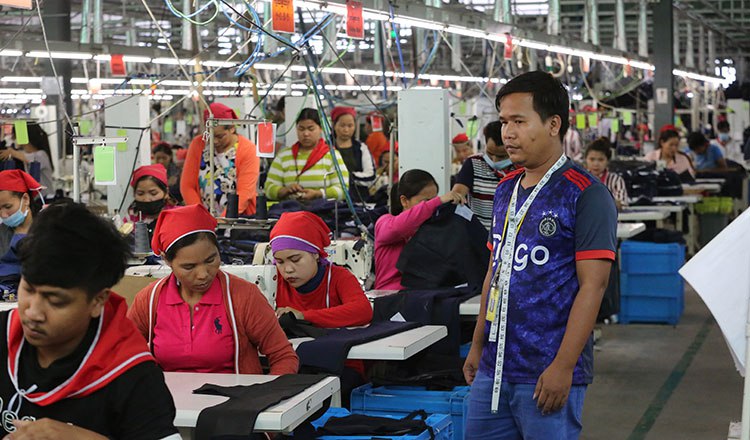
កម្មកររោងចក្រកាត់ដេរនៅជាយរាជធានីភ្នំពេញ។ ការស្ទង់មតិនាពេលថ្មីៗនេះ បានរកឃើញថា ពន្ធគយដែលដាក់ដោយប្រធានាធិបតីសហរដ្ឋអាមេរិក លោក ដូណាល់ ត្រាំ មកលើប្រទេសកម្ពុជា បានចាប់ផ្តើមប៉ះពាល់ដល់វិស័យវាយនភណ្ឌ និងកាត់ដេររបស់ព្រះរាជាណាចក្រកម្ពុជា។ KT/ឆន សុគន្ធា
សង្ខេប៖ ពាក់កណ្តាលនៃសម្លៀកបំពាក់ ស្បែកជើង និងទំនិញធ្វើដំណើររបស់ប្រទេសកំពុងប្រឈមនឹងផលប៉ះពាល់ពន្ធ។ ជាង 55 ភាគរយនៃរោងចក្រមានការបញ្ជាទិញដែលបានបញ្ជាក់រហូតដល់ប្រាំមួយខែហើយ 30 ភាគរយមានការបញ្ជាទិញលើសពីប្រាំមួយខែ។
ការស្ទង់មតិដែលធ្វើឡើងដោយរោងចក្រកាន់តែប្រសើរនៅកម្ពុជា (BFC) សហការជាមួយអង្គការអន្តរជាតិខាងការងារ និងសាជីវកម្មហិរញ្ញវត្ថុអន្តរជាតិបានបង្ហាញឱ្យដឹងថា រោងចក្រកាត់ដេរចំនួន 15 ភាគរយនៅក្នុងព្រះរាជាណាចក្រកម្ពុជាកំពុងប្រឈមនឹងភាពមិនប្រាកដប្រជាក្នុងប្រតិបត្តិការ ឬអាចបិទទ្វារ ហើយមានការបញ្ជាទិញតែពីរបីសប្តាហ៍ទៀត។
ការស្ទង់មតិនេះត្រូវបានធ្វើឡើងដើម្បីវាយតម្លៃពីផលប៉ះពាល់នៃភាពមិនច្បាស់លាស់ខាងសេដ្ឋកិច្ចដែលបង្កឡើងដោយការប្រកាសពន្ធទៅវិញទៅមកដោយប្រធានាធិបតីសហរដ្ឋអាមេរិក Donald Trump មកលើប្រទេសកម្ពុជាកាលពីថ្ងៃទី 2 ខែមេសា លើវិស័យវាយនភណ្ឌ និងកាត់ដេររបស់ព្រះរាជាណាចក្រកម្ពុជា។
របាយការណ៍មួយរបស់ apparelresources.com បាននិយាយថា ការស្ទង់មតិបានបង្ហាញថាពាក់កណ្តាលនៃសម្លៀកបំពាក់ ស្បែកជើង និងទំនិញធ្វើដំណើររបស់ប្រទេសកំពុងប្រឈមមុខនឹងផលប៉ះពាល់ពន្ធដារ។
"រោងចក្រប្រហែល 203 ក្នុងចំណោម 756 ដែលបានចុះឈ្មោះជាមួយ BFC បានចូលរួមយ៉ាងពេញលេញក្នុងការស្ទង់មតិ ហើយតាមការវិភាគដែលបានធ្វើ បានរកឃើញថា 44% នៃរោងចក្រទាំងនេះមានសក្ដានុពលក្នុងប្រតិបត្តិការរយៈពេលបីខែយ៉ាងតិច ដោយសារភាពអាចរកបាននៃវត្ថុធាតុដើម និងស្ថានភាពនៃការបញ្ជាទិញបច្ចុប្បន្ន។
"ការស្ទង់មតិក៏បានគូសបញ្ជាក់ផងដែរថា 55% នៃរោងចក្រមានការបញ្ជាទិញដែលបានបញ្ជាក់រហូតដល់ 6 ខែ ហើយ 30% មានការបញ្ជាទិញលើសពី 6 ខែ។ ទោះជាយ៉ាងណាក៏ដោយ នៅលើការធ្លាក់ចុះ ការស្ទង់មតិក៏បានបង្ហាញផងដែរថា 15% នៃរោងចក្រទាំងនេះមិនមានការបញ្ជាទិញដែលបានបញ្ជាក់នោះទេ។
ការស្ទង់មតិនេះបានដកស្រង់សម្តីលោក យ៉ាង សុភ័ណ្ឌ ប្រធានសម្ព័ន្ធសហជីពកម្ពុជា (CATU) ដែលមានប្រសាសន៍ថា៖ «ក្នុងករណីមានការចរចារពន្ធដារមិនល្អ កម្មករនឹងរងផលប៉ះពាល់ដោយការបិទរោងចក្រមួយចំនួន ឬការផ្លាស់ប្តូរទីលំនៅដែលអាចកើតមាន»។
ការស្ទង់មតិបានសង្កត់ធ្ងន់ថា ផលប៉ះពាល់ផ្សេងទៀតនៃពន្ធគយក៏ត្រូវបានធ្លាក់ចុះនូវទំនុកចិត្តរបស់អ្នកទិញផងដែរ ដែលបានប៉ះពាល់ដល់ឧស្សាហកម្មកាត់ដេរនៅកម្ពុជា។
លោក Ken Loo អគ្គលេខាធិការសមាគមវាយនភណ្ឌ សម្លៀកបំពាក់ ស្បែកជើង និងទំនិញធ្វើដំណើរកម្ពុជា (TAFTAC) បាននិយាយនៅក្នុងរបាយការណ៍ថា អ្នកទិញមួយចំនួនមិនបានដាក់ការបញ្ជាទិញណាមួយនាពេលអនាគតសម្រាប់ផ្នែកចុងក្រោយនៃឆ្នាំនេះ ដោយសារភាពមិនច្បាស់លាស់នៃពន្ធគយ ដែលបញ្ជាក់ពីស្ថិតិសមត្ថភាពប្រតិបត្តិការ។
ការស្ទង់មតិក៏បានបង្ហាញពីការបញ្ជាក់ពីអ្នកចូលរួម 27 ភាគរយថាអ្នកទិញបច្ចុប្បន្នកំពុងស្នើសុំតម្លៃទាបសម្រាប់ការបញ្ជាទិញឆ្នាំ 2025 ។ “អ្នកទិញមានទំនោរទៅរកការផ្ទេរការចំណាយបន្ថែមទៅកាន់អ្នកផ្គត់ផ្គង់ ក្នុងករណីដែលការនាំចូលទំនិញមានតម្លៃថ្លៃជាងមុនដោយសារតែពន្ធគយថ្មី។
«រោងចក្រចំនួន 26 ភាគរយបានធានាអ្នកទិញថ្មី ដើម្បីយកឈ្នះលើភាពមិនប្រាកដប្រជានៃការបញ្ជាទិញ។ ការស្ទង់មតិក៏បានគូសបញ្ជាក់ផងដែរថា ដើម្បីដោះស្រាយផលប៉ះពាល់ពន្ធដារ និងរក្សាកម្មករ រោងចក្រកាត់ដេរ និងវាយនភណ្ឌកំពុងផ្តោតលើការជ្រើសរើស បង្កើនការបណ្តុះបណ្តាល និងការវិនិយោគលើស្វ័យប្រវត្តិកម្ម ក្រៅពីការពង្រីកមូលដ្ឋានអតិថិជនរបស់ពួកគេលើសពីសហរដ្ឋអាមេរិក។
ការនាំចេញសម្លៀកបំពាក់ និងវាយនភ័ណ្ឌ ៣៧,១៩ ភាគរយរបស់ព្រះរាជាណាចក្រកម្ពុជាបានទៅសហរដ្ឋអាមេរិកកាលពីឆ្នាំមុន ដែលត្រូវបានតាមពីក្រោយដោយសហភាពអឺរ៉ុប (១៦,៥ ភាគរយ)។
15 percent of garment factories have orders only for few more weeks
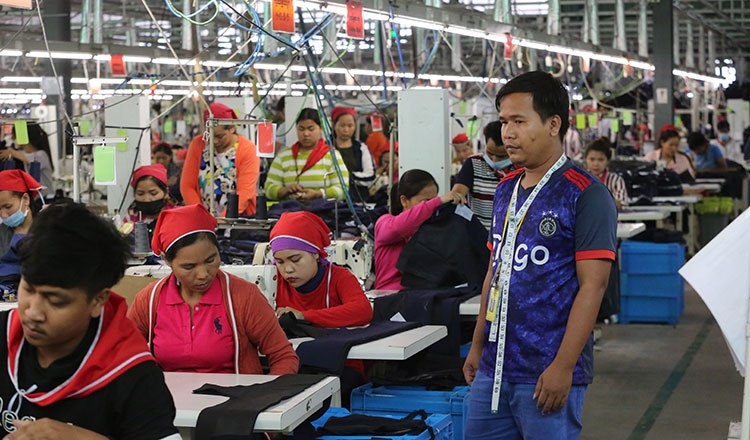
Workers at a garments factory on the outskirts of Phnom Penh. A recent survey has found that the reciprocal tariffs imposed by US President Donald Trump on Cambodia have begun to impact the Kingdom’s textiles and garments sector. KT/Chor Sokunthea
Synopsis: Half of the country’s garment, footwear and travel goods are facing the tariff impact. Over 55 percent of factories have orders confirmed till six months and 30 percent have orders for more than six months.
Fifteen percent of garment factories in the Kingdom are facing operational uncertainty or a possible shutdown and have orders only for a few more weeks, a survey conducted by Better Factories Cambodia (BFC) in collaboration with the International Labour Organisation and International Finance Corporation has revealed.
The survey was carried out to guage the impact of the economic uncertainties triggered by the announcement of reciprocal tariffs by US President Donald Trump on Cambodia, on April 2, on the Kingdom’s textiles and garments industry.
The survey showed that half of the country’s garment, footwear and travel goods, are facing the tariff impact, a report by apparelresources.com said, citing the survey results.
“Around 203 factories out of 756 registered with the BFC participated fully in the survey, and as per the analysis done, it was found that 44 percent of these factories have the potential of operating for three months at least, given their raw material availability and current orders status.
“The survey also highlighted that 55 percent of factories have orders confirmed till six months and 30 percent have orders for more than six months. However on the downside, the survey also revealed that 15 percent of these factories have no confirmed orders.”
The survey quoted Yang Sophorn, President of the Cambodian Alliance of Trade Unions (CATU), who said: “In case of a bad outcome of tariff negotiations, the workers will be impacted with the closing down of some factories or possible relocations.”
The other impact of tariff has also been the waning buyers’ confidence, which has affected the garment industry in Cambodia, the survey emphasised.
Ken Loo, Secretary General of the Textile, Apparel, Footwear and Travel Goods Association of Cambodia (TAFTAC), said in the report that a number of buyers have not placed any future orders for the latter part of the year owing to tariff uncertainties, attesting to the operational capacity statistics.
The survey also showed confirmation from 27 percent of the participants that the present buyers are requesting lower prices for 2025 orders. “Buyers are inclined towards transferring additional costs to suppliers, in the event of importing goods becoming more expensive because of fresh tariffs.
“Twenty-six percent of factories have secured new buyers in order to overcome the order uncertainties. The survey also highlighted that to tackle the tariff impact and maintain workers, the garments and textile factories are on recruitment drives, enhancing training and making investments in automation other than expanding their customer base beyond the US.
The Kingdom’s 37.19 percent of textiles and garments exports went to the US last year, which was followed by the European Union (16.5 percent).

 15.882 SRY