

Introduction: The Unseen Network of Daily Life
Imagine an alarm that wakes you at the perfect moment in your sleep cycle. Your coffee begins brewing automatically as you stir, and when you leave, your door locks itself, your heating adjusts, and your fridge notes you're out of milk. This is not a scene from the future; it's a typical morning powered by the Internet of Things (IoT) and Edge Computing.
We are in the midst of a transformation as significant as the dawn of the internet, with an estimated 30 billion connected devices operating worldwide. They gather information and automate our surroundings quietly. The true intelligence of this system, however, comes not just from being online but from Edge Computing—a model that analyses data right where it is created instead of sending it all to faraway data centres.
This exploration delves into how these two intertwined technologies are integrating into our everyday routines—at home, in our cities, and for our health. We will look past the technical jargon to see the real-world benefits, the practical solutions they offer, and the critical concerns about privacy, safety, and the nature of a "smart" life.

source The command centre of the intelligent home: a single interface managing a web of connected domestic devices.
Chapter 1: Demystifying the Partnership – IoT and Edge Computing
Defining the Internet of Things (IoT)
The Internet of Things describes the extensive network of everyday physical objects equipped with sensors, software, and network links that allow them to collect and share data. These objects include simple home gadgets like light switches, complex industrial equipment, health-tracking wearables, and environmental monitors.
Every IoT device typically has four core parts:
- Sensors/Actuators: To detect the environment (like heat or movement) or to perform an action (like switching something on).
- Connectivity: A way to send data, using Wi-Fi, Bluetooth, Zigbee, or cellular networks like 5G.
- Data Processing: Some computational ability to interpret information.
- User Interface: A method for human interaction, usually an app or voice control.
The vision of IoT is to connect our physical surroundings with the digital realm, building spaces that can perceive, react to, and even predict our requirements.
The Rise of Edge Computing: Intelligence at the Source
As IoT networks expanded, a major problem arose: delay (latency). Transmitting all data from countless sensors to a central cloud for analysis and then waiting for a response takes time—precious milliseconds that some critical applications cannot afford, such as a self-driving car needing to brake instantly.
Edge Computing addresses this by moving the intelligence closer to the data source. It involves processing information near where it is generated—on the device itself (e.g., a camera) or a local hub (e.g., a home router). It’s akin to empowering local staff to make decisions on the spot instead of seeking approval from a distant head office for every small matter.
How They Work Together:
- IoT acts as the sensory network—gathering information from the world.
- Edge Computing serves as the local decision-maker—interpreting that data and reacting immediately.
- The Cloud functions as the central archive and advanced brain—storing historical data, performing deep analysis, and managing updates.
This collaboration builds a more effective, agile, and sturdy framework. For instance, a security camera with edge analytics can review footage locally to recognise a human form, sending only a relevant alert video to your phone, not a constant, bandwidth-heavy live stream.
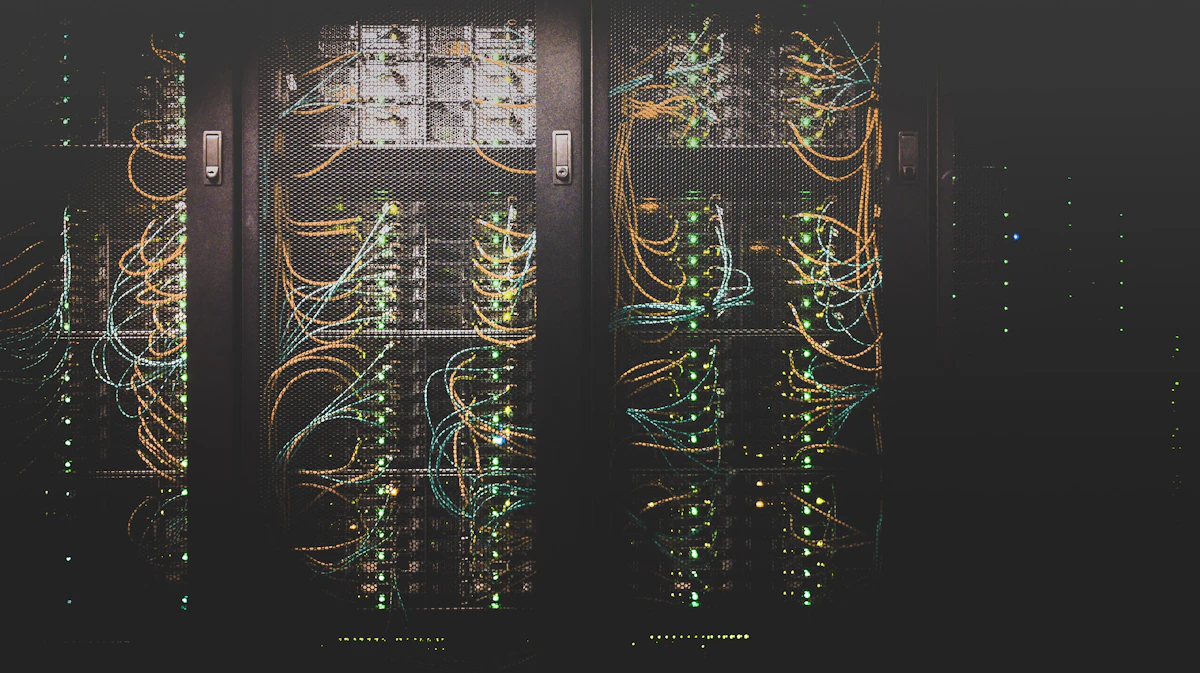
source The data hierarchy: IoT sensors collect, Edge intelligence analyses for instant response, and the Cloud stores and learns from the big picture.
Chapter 2: The Adaptive Home – From Scheduled to Sentient
Our living spaces are the most intimate stage for the IoT-Edge evolution. The journey from simple remote-controlled lights has led to unified systems that autonomously manage energy, safety, comfort, and well-being.
Smarter Energy Use
Devices like smart thermostats demonstrate localised intelligence. They learn your daily rhythms, sense when rooms are occupied, and make tiny, continuous adjustments to save power while keeping you comfortable. By processing temperature and motion data on the device (at the edge), they can respond the instant you leave a room.
Home Solar Systems now use smart controllers that make real-time decisions—directing solar power to home appliances, a battery, or back to the electricity grid based on current usage, weather, and price signals.
Anticipatory Safety and Security
Home protection is becoming proactive rather than just reactive.
- Intelligent Cameras with built-in AI can distinguish a person from a pet or a car, sending precise notifications and minimising false alerts.
- Leak Detectors can sense water and automatically trigger a smart valve to cut off the main supply, potentially preventing major damage before you are even alerted.
- Advanced Smoke/CO Alarms not only sound locally but can pinpoint the affected room and relay that data to your phone and emergency services.
The Connected Kitchen and Wellness
The refrigerator is evolving into a home management hub. Internal cameras let you check food stocks remotely, and some models can track expiry dates. When linked with smart speakers and scales, they can recommend meals based on what’s available and your health goals. This cluster of kitchen gadgets creates a mini edge network, sharing data to offer useful, context-aware help.

source The intelligent kitchen: Smart appliances work together to simplify meal prep, grocery shopping, and healthy eating.
Predictive Upkeep
An often-overlooked benefit is maintenance prediction. Smart washing machines can monitor vibrations to warn of a future bearing failure. Heating and cooling systems can track filter life. This local, edge-based analysis stops minor faults from becoming major repairs, saving time and money.
The outcome is a home that functions as a coordinated, living system rather than a set of separate tools. It’s a space that saves resources, safeguards residents, and handles routine tasks, freeing our mental energy for more meaningful pursuits.
Chapter 3: The Intelligent City – Urban Life Enhanced
Scaling IoT and Edge Computing from homes to entire urban areas creates the backbone of the smart city—a metropolis that leverages data and technology to improve public services, cut costs and waste, and interact more dynamically with its people.
Smarter Traffic and Parking
Traffic control is undergoing a revolution. Adaptive traffic signals use data from cameras and road sensors, processed at the edge, to change their timing based on live traffic conditions, easing jams and reducing emissions from idling vehicles.
Smart Parking systems use ground sensors to detect free spots and guide drivers to them via apps, slashing the time spent circling for parking. Electric vehicle chargers are becoming grid-aware, able to schedule charging based on overall electricity demand and green energy supply.
Enhanced Public Services and Infrastructure
Modern streetlights are multi-purpose platforms. They can brighten or dim based on activity to save energy, incorporate microphones to detect and locate gunfire, monitor air quality, and offer public Wi-Fi. They act as a distributed network of edge nodes across the city.
Waste Collection is optimised with smart bins that signal when full, allowing garbage trucks to follow dynamic, efficient routes instead of fixed schedules, reducing fuel costs and emissions.
Environmental Awareness
Dense networks of affordable environmental sensors track pollution, noise, and weather in fine detail, creating hyperlocal maps. During events like floods, water-level sensors in drains provide early alerts. Processing this data locally enables faster municipal responses to environmental issues.

source The brain of a smart city: synthesizing thousands of data streams from IoT sensors to oversee and improve urban living in real time.
Chapter 4: The Quantified Self – Wearables and Health Transformation
The most personal dimension of IoT exists on our bodies. Wearables and connected medical devices are shifting healthcare from a reactive, clinic-based model to a continuous, personalized, and preventive system.
Everyday Wellness Tracking
Smartwatches and fitness trackers are ubiquitous. They constantly gather physiological data—heart rate, sleep quality, blood oxygen, steps. Modern devices handle significant processing on the device itself.
For example, an ECG app on a smartwatch analyzes your heart's electrical signals in real-time on the watch to screen for conditions like atrial fibrillation. The raw data isn't sent to the cloud; the analysis happens locally, and only the result is shared. This is edge computing enabling immediate, potentially life-saving insights.
Professional Medical Monitoring
The impact is greater in clinical care.
- Continuous Glucose Monitors (CGMs) send real-time blood sugar readings to a phone, with algorithms predicting trends and warning of dangerous levels.
- Smart inhalers log usage and environmental factors, helping manage conditions like asthma.
- Implanted heart devices can transmit data directly to doctors, flagging irregularities without a hospital visit.
This enables remote patient monitoring, allowing care for elderly or chronically ill patients at home. Edge devices sift through data, alerting professionals only to important changes, making continuous care practical.
The Future: Predictive Wellbeing
The next step is prediction. By combining data from wearables with lifestyle information, AI could spot subtle early signs of illness. Changes in walking patterns or voice detected by everyday gadgets might indicate neurological conditions long before standard symptoms.
The aim is a future where your vehicle notices a minor hand tremor and suggests a medical consultation, or your bathroom mirror detects signs of vitamin deficiency.

source The personal health monitor: Wearables that process complex body data on the spot to deliver instant health feedback.
Chapter 5: The Productive Economy – Industrial Evolution
Beyond personal life, IoT and Edge Computing are fueling the Fourth Industrial Revolution in manufacturing, farming, logistics, and retail. Here, gains are seen in remarkable efficiency, safety, and innovative business approaches.
The Smart Factory
The modern factory is a network of interconnected machines. Vibration sensors predict equipment failures. Vision systems on assembly lines inspect products for microscopic flaws in real time. Autonomous vehicles navigate the floor using onboard sensors and local processing.
This enables a "digital twin"—a live virtual copy of the physical factory. Data from the edge (the machines) updates the twin, which is used to simulate, optimize, and control operations, resulting in less waste and more adaptable production.
Precision Farming
Agriculture is now data-driven. Soil sensors measure moisture and nutrients. Drones with special cameras fly over fields, and their onboard computers analyze images locally to spot disease or drought stress. This allows variable-rate application—applying water, fertilizer, or pesticide only where needed, increasing crop yields while reducing environmental harm.
Livestock wear connected tags that monitor health and location for early illness detection.
Transparent Supply Chains
Every shipment is now traceable. GPS trackers provide location, while IoT sensors monitor conditions like temperature for medicine or shock for fragile goods. This data is often processed at the edge (e.g., on the shipping container) to trigger instant local alarms if something goes wrong, ensuring product integrity and supply chain robustness.
source Industry 4.0: A fully connected, automated factory where machinery collaborates in a self-improving production ecosystem.
Chapter 6: The Flip Side – Risks, Privacy, and Equity
This interconnected world brings serious challenges. The sensors that offer convenience also enable unprecedented surveillance, and distributing intelligence creates new security risks.
The Privacy Dilemma
A smart speaker processes its "wake word" locally, but subsequent conversations may be uploaded. Smart TVs can analyze viewing habits. City cameras record public movements. The immense volume of personal data collected—sleep, diet, health, routines—builds intricate behavioral and biometric profiles.
The threat extends beyond stolen data to potential manipulation, bias in services, and eroded personal freedom. Could insurance costs be influenced by data from your car? Could employers view wellness data? Legal systems are racing to catch up with these possibilities.
Growing Cybersecurity Threats
Every connected device is a potential weak spot. Poorly secured IoT gadgets have been conscripted into vast botnets to attack websites. A hacked smart lock is a physical danger. In industry, a tampered sensor could feed false data, causing operational disasters or enabling ransomware.
Securing millions of distributed edge devices, often with limited processing power for strong security, is a huge undertaking. The ideal of "security by design" is often overlooked in the rush to market cheaper consumer products.
Environmental and Social Impact
Manufacturing billions of devices consumes resources and energy and creates electronic waste. While each device may use little power, their combined "always-on" energy draw is substantial.
There's also a danger of a widening "digital divide," where the advantages of smart technology—cost savings, safety, convenience—mainly benefit the affluent, while others might experience increased monitoring without reaping the rewards.
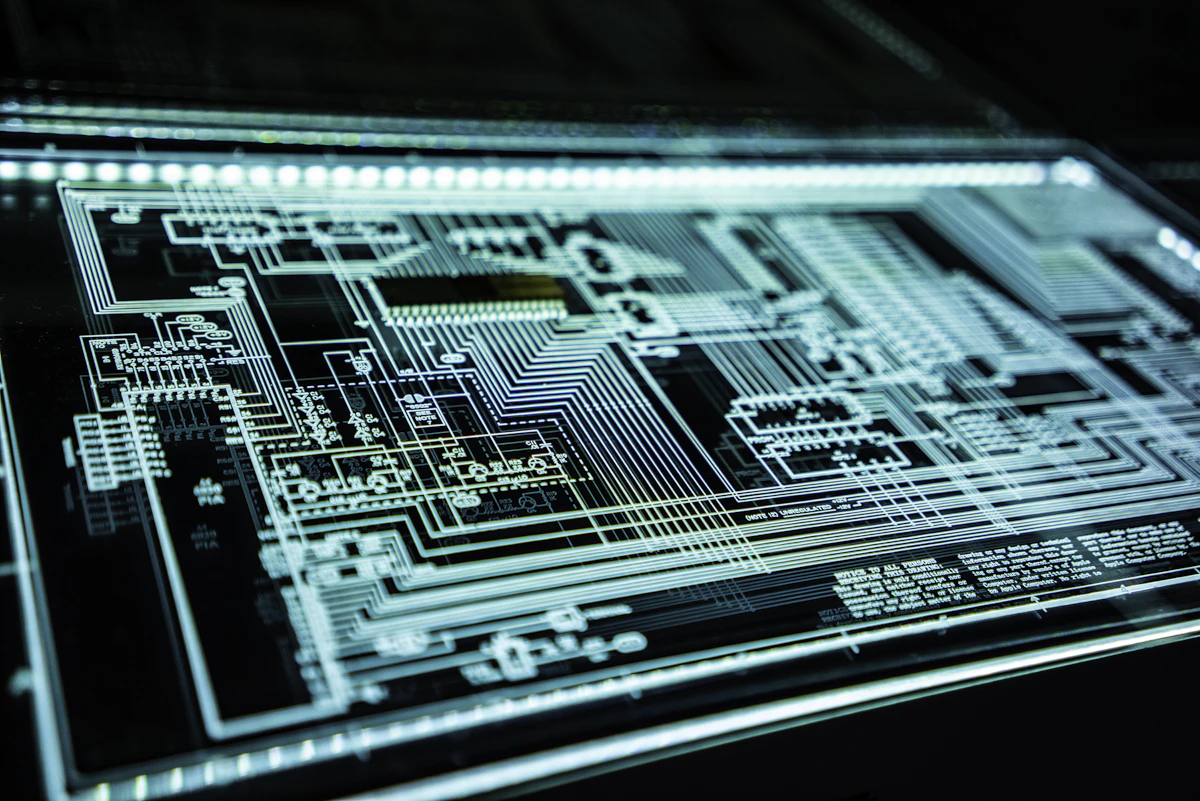
source The security imperative: A seamless web of connected devices must be underpinned by robust protection at every point to safeguard privacy and safety.
Chapter 7: The Future Path – Deeper Integration and Disappearing Tech
The direction for IoT and Edge Computing points toward more profound embedding, heightened intelligence, and eventually, technology that fades into the background.
Merging with 5G and AI
5G networks are built for IoT, with features like ultra-reliable low-latency links and massive device connectivity. This will empower edge computing with fast, dependable communication for critical applications.
Artificial Intelligence, especially compact AI models that can run on small chips, is moving to the edge. We'll see more devices capable of sophisticated, on-device learning without needing constant cloud access.
From Responsive to Independent Systems
The evolution is from systems that react to ones that operate independently within set rules. Imagine a building that doesn't just adjust heat but autonomously learns to minimize its energy use and cost based on occupancy, weather, and energy prices. Or a farm where drones and machinery work together completely autonomously.
The Vision: Calm, Unobtrusive Technology
The ultimate aim is "calm technology," as described by Mark Weiser—tech that informs and assists without demanding our constant attention. The IoT-Edge world should become like electricity: an invisible, reliable foundation that empowers our lives seamlessly.
We are moving towards environments that are themselves an intuitive interface. The challenge is to guide this change to prioritize human well-being—emphasizing clarity, user agency, security, and fair access for all.

source The future of interaction: Technology becoming so integrated into our surroundings that it responds to our needs without visible devices or screens.
Conclusion: Inhabiting an Aware World
The combination of the Internet of Things and Edge Computing is more than a tech trend; it's a basic restructuring of our interaction with the material world. We are giving our environment a kind of distributed awareness, building systems that perceive and act with a speed and harmony once impossible.
This shift offers real benefits: homes that save and protect, cities that flow smoothly, healthcare that is personal and preventive, and industries that are lean and adaptive. It lifts routine burdens and warns of unseen hazards.
Yet, this web of connections also poses deep questions. It requires us to consider what we link, for what purpose, and who wields the resulting power. The ease of smart gadgets must be balanced with control over our personal information. The efficiency of smart cities must respect public space and anonymity. The independence of smart systems must be guided by clear human ethics.
At this crossroads, our role is not passive consumption but active, responsible stewardship. We must demand strong security, clear data policies, and inclusive design. The goal is not a world of monitored, optimized individuals, but of empowered people living in spaces that actively support their security, health, and independence.
The quiet orchestra of connected devices is performing. It is our responsibility to ensure its melody truly enriches human life.
Image References (All images from Unsplash):
source Smart Home Dashboard:

source Data Flow Diagram

source Connected Kitchen

source Smart City Control Room

source Adaptive Traffic System

source Smart Streetlights

source Environmental Sensors

source Smartwatch Health Data

source Remote Patient Monitoring

source Smart Factory

source Privacy & Security Concept

source 5G Tower & Connectivity

source AI Chip/Processor

source Calm Technology/Ambient Interface

source IoT Developer/Architect at Work

source Global Network Visualisation


 0.000 SRY