


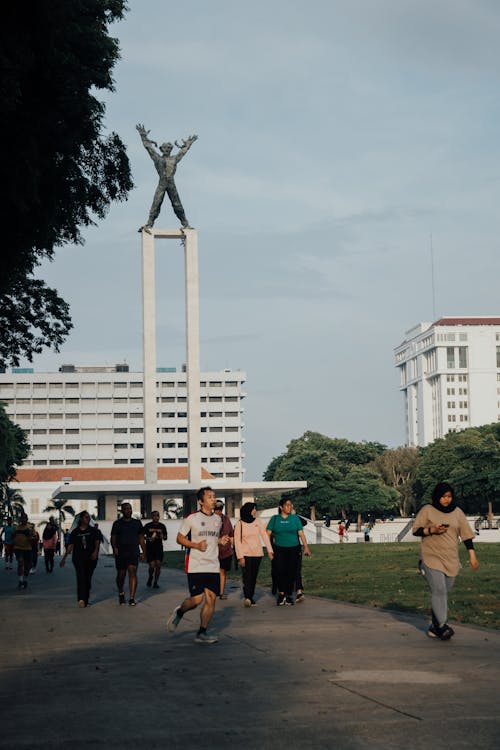
Philosophers, religious scholars and common people have been pondering over the centuries about the true liberation of man. There is no single answer that will satisfy everyone, as the concept of liberation varies greatly from person to person.
However, there are some common themes that are often associated with human liberation. These include:
• Relief from suffering: This can include both physical and emotional suffering, such as pain, sorrow and fear.
• Freedom from desire: It is freedom from the bonds of attachment, such as greed, anger and jealousy.
• Freedom from Ignorance: This is the attainment of knowledge of truth, or understanding of the nature of reality.
• Freedom from fear: This can be freedom from fear of death, failure or the unknown.
People can follow many paths to attain liberation in their life. Some people find it through religious or spiritual practices, while others find it through creative expression, spending time in nature, or helping others. Ultimately, true liberation is a personal journey that each person must discover for themselves.
Here are some specific examples of how people have achieved liberation:
• Nelson Mandela: Nelson Mandela was a South African anti-authoritarian revolutionary, political leader and philanthropist who served as the President of South Africa from 1994 to 1999. He was the nation's first black head of state, elected in a fully representative democratic election. His government has focused on addressing the legacy of historical apartheid created by institutionalized apartheid; It did this by institutionalizing ethnic reconciliation, enacting anti-apartheid legislation and establishing ethnic reconciliation commissions. Mandela's presidency is often described as an "era of renaissance".
• Malala Yousafzai: Malala Yousafzai is a Pakistani women's rights activist known for her support for the right to education for women and children, particularly in the Swat Valley of her home province of Khyber Pakhtunkhwa.

 1647.901 SRY