

Spain is a country rich in cultural and geographical diversity. It is divided into several autonomous regions, each with its own unique identity, history, and traditions. Among the most remarkable of these regions are Catalonia in the northeast and Andalusia in the south — two areas that perfectly represent the contrasts and beauty of Spain.
1. Catalonia
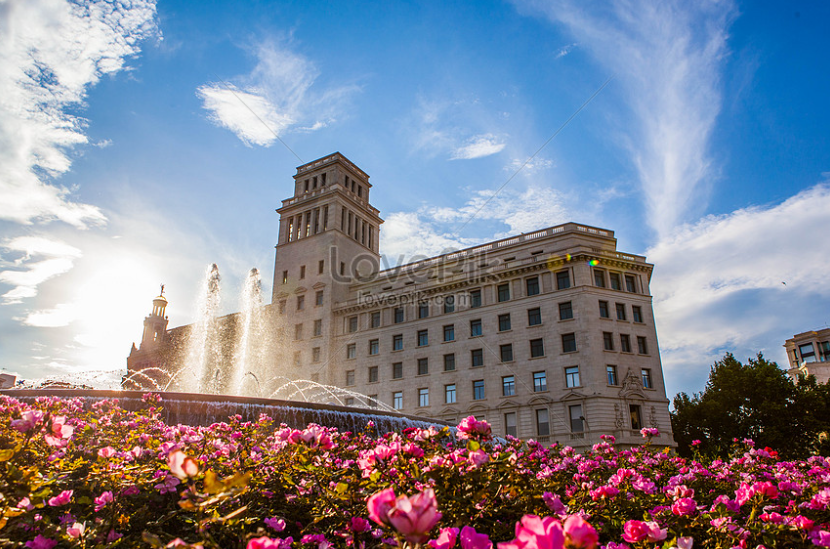
Catalonia is located in the northeastern part of Spain, bordering France and the Mediterranean Sea. Its capital is Barcelona, one of Europe’s most famous cities, known for its artistic and architectural landmarks such as La Sagrada Família, Las Ramblas Street, and the unique buildings designed by Antoni Gaudí.
The region has a strong cultural identity; its people speak Catalan as well as Spanish, and they are known for their creativity, hard work, and passion for art and sports — especially football, represented by the world-renowned FC Barcelona. Economically, Catalonia is one of Spain’s most developed regions, relying on tourism, industry, and services.
2. Andalusia
Located in the south of Spain, Andalusia is the largest region in the country. Its capital is Seville, and it includes other famous cities such as Granada, Córdoba, and Málaga. Andalusia was the heart of Islamic civilization in the Iberian Peninsula during the Middle Ages, and its history is reflected in magnificent monuments like the Alhambra Palace in Granada and the Great Mosque of Córdoba.
The region is also known for its stunning natural beauty — from mountains and fertile plains to long coastlines along the Mediterranean Sea and the Atlantic Ocean. Culturally, Andalusia is the birthplace of flamenco music and dance, which symbolize its vibrant and passionate spirit.



 876.896 SRY