

During my recent visit to the hospital yesterday, I was opportuned to visit the cancer therapy unit, but unfortunately the doctor was coming out from the ward with a conspicuous depression written all over his face; he had just lost a patient to lung cancer. And even though I felt a deep sympathy but I also wished that this would serve as a great lesson to smokers and intending smokers too, but this feeling didn’t last for long as I confirmed from the doctor that the deceased didn’t have any history of smoking throughout his life time. As a network engineer and a biochemist, I decided to activate my biochemical self to sensitize us all on the dangers of this silent killer.
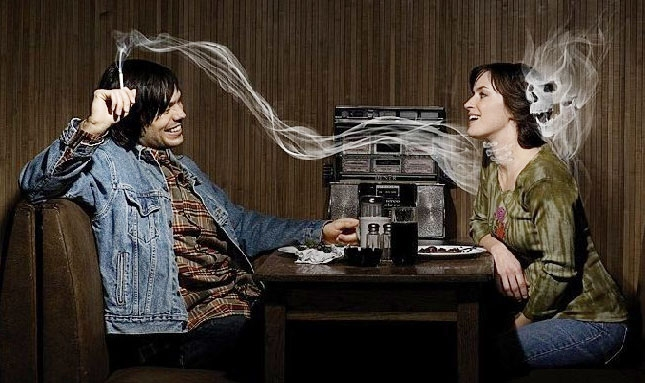
The patient had no history of smoking and he just lost his life to lung cancer and cardiovascular disorders which are primarily caused by the over 250 dangerous chemicals contained in smokes emanating from cigarettes and other weeds taken by smokers. Maybe Science was wrong anyways?, engrossed I was with these thoughts and the deep pains felt by the relatives; as one of them continued complaining that she would be happier if the deceased had given in to pressure from his peers who smokes to try out the act.
He doesn’t smoke but as a matter of fact, he had friends who smokes and of course you’d guess that he was always in their company, but he never gave in to smoking, but these friends were still healthy, even though one would credit this to the genetic variations in the efficiency of our immune system; these information cleared my doubts and reminded me of the dangers of passive or secondary smoking as it may be called.
Passive or secondary smoking is the unconscious inhalation of smokes released by smokers, by one who doesn’t smoke, this effect is also seen in smokers who inhales the smokes produces by fellow smokers.
However, passive smoke is even more harmful than active smoke (smoke originally inhaled by active smokers). This is because passive smokes are about four (4) times more toxic than the active smokes, passive smokes contains more carcinogens and poisons than the original smoke from cigarettes, tobaccos and other smoked stimulants.
Passive smoke contains more:
Ammonia is present in smokes in vapor phases and also in particulate phase, the presence of ammonia raises the PH of smoke, this frees some fraction of the total nicotine contained in the cigarette, this is absorbed by the smoker, the smoke exhaled by the smoker contains much more if this ammonia and free nicotine. Exposure to normal ammonia is however harmless to the body. Also carbon dioxide is exhaled even in the process of normal external respiration, however the inhalation of smokes from cigarettes increases the amount of carbon dioxide produced by the respiratory system, a passive smoker thus inhales an increased amount of carbon dioxide, meanwhile inhalation of carbon dioxide have proven to be of adverse effect on the body.
Carbon monoxide is produced as a result of incomplete combustion of the inhaled carbon, this is comparable to the carbon monoxide produced by our car engines and has a relatively similar effect on the electron transport chain, it inhibits the production of ATP (Adenosine Tri-Phosphate), the energy currency of the cells, this is also the basis of the effect felt on exposure to passive smoke for a long period of time.))
The combustion of the amines present in cigarettes leads to the formation of nitrosamines, nitrosamines are then found in trace amount in smoke from cigarettes and tobacco, they are also present in smokes from burning plastics and rubber materials, even in trace amount, nitrosamines are carcinogenic.
Cotinine result from the metabolism if nicotine inhaled from the smoke. This serves as a good biomaker for determining the extent of exposure to passive smokes. They accumulate in body fluid such as blood, urine and saliva. Excessive exposure to passive smokes also causes the accumulation of cotinine on the hair as they grow.
These makes passive smoking very toxic and exposure to these toxins for about 25 minutes has proven to be lethal to the respiratory system and to the cardiovascular system too.
Passive smokes have much more widespread effect on the human system, this properly explains why the patient, who wasn’t even a smoker had suffered more than his friends who were active smokers, this also is responsible for the deep depression felt by the doctor who also felt his patient should have suffered such fate.
.jpg](https://steemitimages.com/DQmU7yVYcSdT4pkS1YzejF9KXwap3jBg8zRPhdP8xDjVh79/0859392%20(1).jpg)))
This clearly states that the non-smokers are even at a greater risk of smoking – related diseases as these exhaled particles suspended in the air and reaches out to not only nearby one but others who might be some distance away from the smoker.
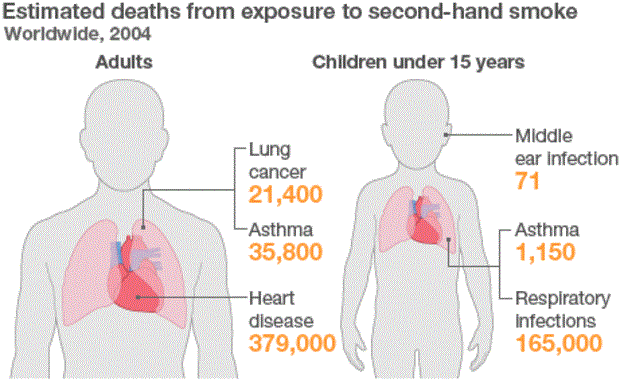
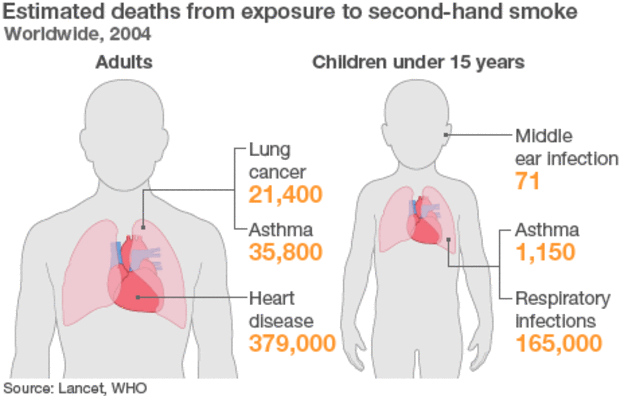
Exposure to passive smoke is largely environmental, one’s environment is the major determinant of whether one becomes affected with systemic dysfunctions related to passive smoking. As offspring of smoking parents have been diagnosed more asthma and respiratory problems this is due being exposed to smokes emanating from their parents, this together with moral issues forms the basis of the constant warning of parents who smokes to do such away from home so as to reduce the risk of their kids coming up with the health issue.
Public workers are also very much vulnerable as they come in contact with the air more than those working indoors, thus, the much warning against public smoking cannot be overemphasized as this exposes more individuals to the risk of cancer and cardiovascular diseases.
Children are also at a very high risk due to the fact that they have a relatively underdeveloped respiratory system, cardiovascular system and also immune system, they are then incapable of withstanding these threats at this early stage.))
The effect of passive smoking in children is implicated in asthma attack in children as this smokes retards the development of lungs and causes respiratory tract infections, affected kids are also noticed to cough frequently and have accumulated mucous in their throats.
Pregnant and nursing mothers are also advised to refrain from smoking and stay away from smokers as smokes whether passive or active increases the risk of miscarriage, premature labour and retarded growth of the fetus.
Already affected individuals are also advised to report to doctor as early treatment has proven to be effective in reverting the condition, not completely anyways.
Conclusion
Once upon a time, we were concerned with not smoking as a means of maintaining good health and moral status, presently we don't only have to avoid smoking, but smokers and the smoke itself.
Unfortunate as that sounds we even face more problems as the carcinogens we're trying to stay away from are found littered all over our ecosystem; it is still of utmost importance that we do our possible best to stay away from these substances and to be more health conscious as our depleted natural protective mechanisms presents us with a tougher fight against cancer and other infections.
Reference
- Passive smoking -Wikipedia
- Passive smoking and cancer
- Effects of second hand smoking
- Anatomy of cigarette

 0.000 SRY

.jpg)
