

Department of Endocrinology and Metabolism, Green Life Medical College
Suppose that for some reason your insulin levels suddenly drop abnormally and your blood sugar spikes out of control to dangerous levels. Then some sudden changes occur in the body. First, the metabolic system takes the biggest hit. Glucose is our daily fuel. Chemistry students know that the body is constantly generating this glucose energy through the Krebs cycle, which powers all of our bodily functions.
In the absence of insulin, the breakdown of this glucose and the production of energy stops. Then the body tries to produce energy by breaking down fat cells in an alternative way. But once large amounts of free fatty acids accumulate to break down fat cells, the liver can no longer 'manage' them. Then these excess free fatty acids are converted into keto acids.
There are three types of keto acids—acetone, acetoacetic acid, and beta-hydroxybutyric acid. All these three acids are very strong. If they accumulate in the blood, the pH of the blood decreases. Blood acidity increases. As a result, the patient becomes unconscious. Shortness of breath begins. Death is certain if treatment is not started on time.
It's good to know that our blood pH follows this thin line of 7.34 to 7.45. A drop in pH is very dangerous. Everything in the body starts to turn upside down. If the pH drops below 7, it becomes almost impossible to save the patient. This serious condition is called diabetic ketoacidosis. It is one of the leading causes of sudden death due to diabetes. Since lack of insulin is at the root of this problem, it is more common in type 1 diabetes. Type 1 diabetes usually occurs in children, adolescents or young adults. This is because the beta cells of the pancreas do not produce insulin.
What causes keto acidosis?
Why does such a situation occur? In most cases, children or adolescents with type 1 diabetes are diagnosed with this type of diabetes for the first time. In type 1 diabetes, the beta cells of the pancreas become damaged. When 70 percent of the cells are destroyed, severe insulin deficiency occurs. It is then that the cycle of glucose-dependent energy production switches to a cycle of fat breakdown. Large amounts of keto acids are then produced. The same happens when a type 1 diabetic patient accidentally withholds insulin for a few hours or days for some reason. Patients with type 2 diabetes can also suffer from high blood sugar levels if treatment is not taken or stopped. Infections, surgery, dehydration, vomiting, pregnancy etc act as catalysts for this problem. As a result, the risk of keto acidosis increases in all such situations.
How to understand
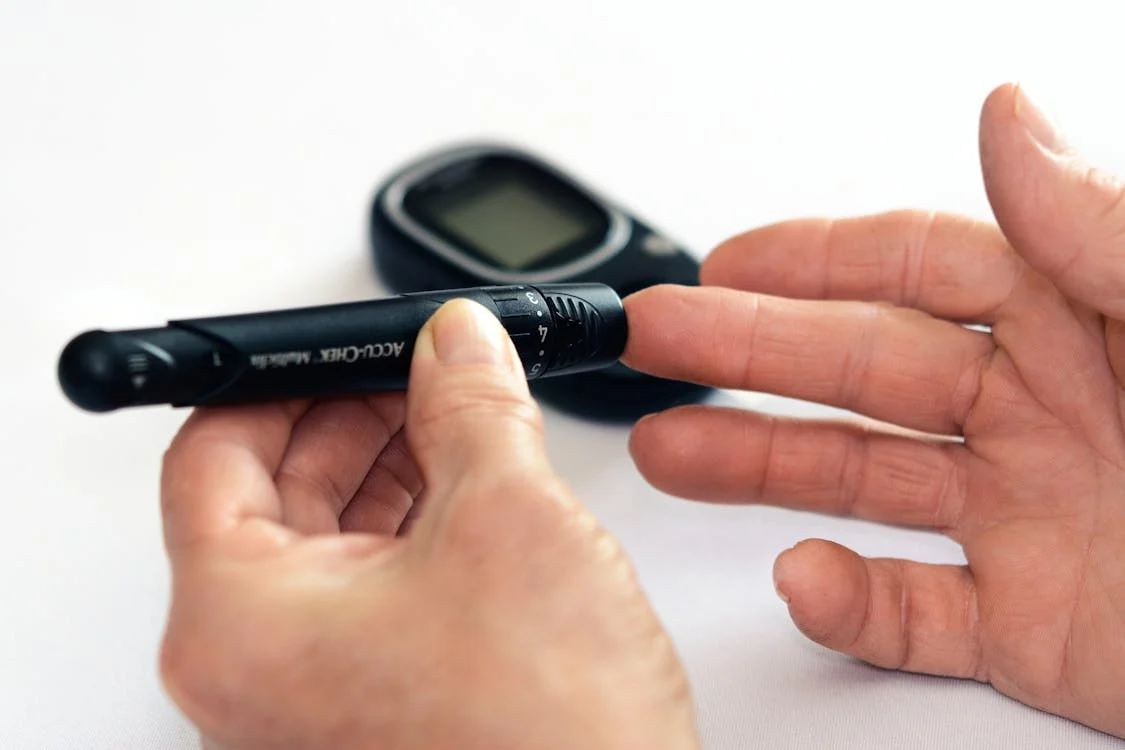
When the blood sugar rises too much, it usually exceeds the indicated level of the glucometer. Glucose above 30 mmol/l is no longer detected by the glucometer device—displays 'high' or 'error'. In such a situation, the patient starts suffering severe dehydration with repeated dry throat, frequent urination. As the pH changes, the patient begins to speak incoherently. started behaving abnormally. Some become unconscious.
Mouth breathing is accompanied by an acidic smell due to the release of acetone. Then the shortness of breath starts. This breathing has a specific 'pattern', which is called 'Kussmaul's breathing'. Blood pressure drops rapidly, blood electrolytes or mineral salts are reversed, and respiratory failure may occur. It is almost impossible to treat a patient in such a condition without an intensive care unit. The whole process takes a few hours or a day or two. As a result, the physical condition deteriorates rapidly. It is said that if the patient is not rushed to an intensive care unit within three to four hours, the mortality rate increases dramatically.

 1444.995 SRY