

[source](https://images.app.goo.gl/F13vf)
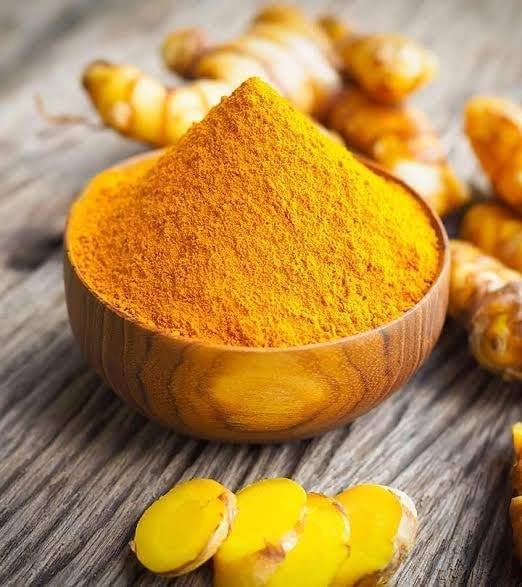
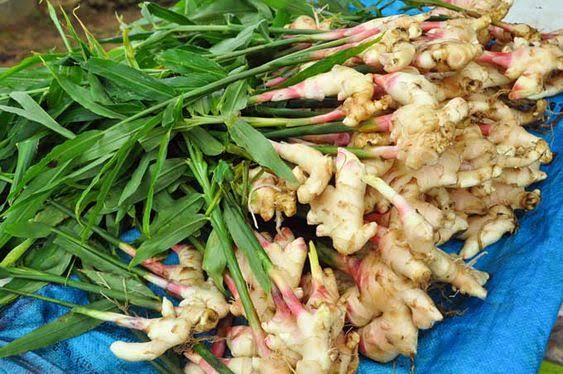
Ginger, scientifically known as Zingiber officinale, is a versatile and widely used spice known for its distinct flavor and various health benefits. It's not only a common ingredient in culinary dishes but also valued for its medicinal properties. Cultivating ginger requires specific methods to ensure a successful harvest. In this article, we will delve into the process of ginger cultivation and explore its nutritional and medicinal attributes.
[source](https://images.app.goo.gl/4ALn1)
Method of Ginger Cultivation:
Selecting the Right Variety: Choose a suitable ginger variety for cultivation. There are several types of ginger, including Chinese ginger, Indian ginger, and African ginger, each with its unique flavor and growth requirements.
Soil Preparation: Ginger thrives in well-draining, fertile soil with a pH ranging from 5.5 to 6.5. Prepare the soil by tilling and incorporating organic matter like compost or well-rotted manure to enhance its structure and fertility.
[source](https://images.app.goo.gl/2xgij)
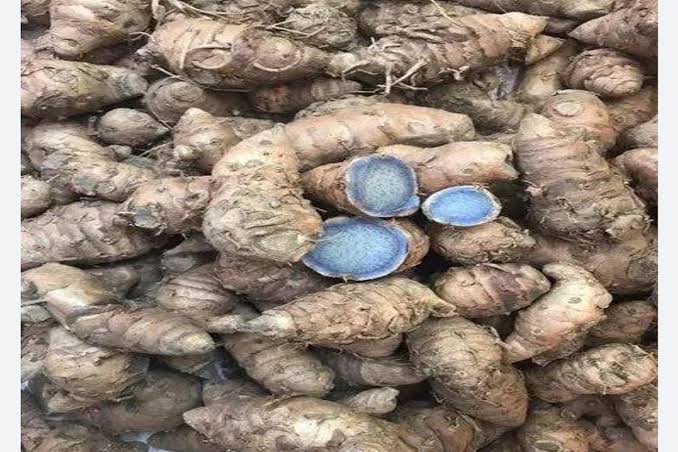
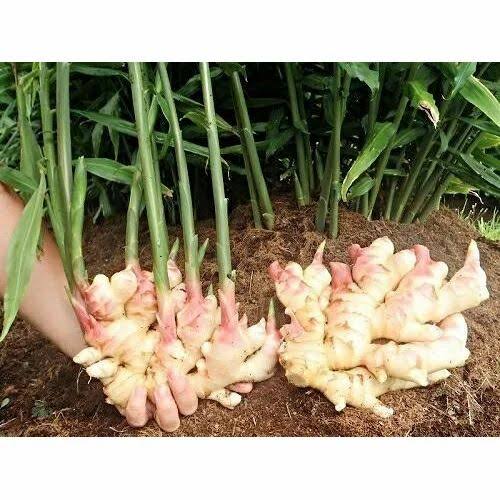
Planting: Ginger is typically propagated through rhizomes, which are sections of the root with buds. Cut rhizome pieces into sections with at least one bud each. Plant these sections about 2-4 inches deep in rows, keeping a distance of 8-10 inches between each piece and 18-24 inches between rows.
[source](https://images.app.goo.gl/Wr6qU)
Sunlight and Watering: Ginger requires partial sunlight, ideally filtered through shade, as direct sunlight can scorch the leaves. Maintain consistent moisture levels by providing regular, deep watering, especially during the growing season.
[source](https://images.app.goo.gl/G8B3S)
Mulching: Apply a thick layer of mulch, such as straw or leaves, to retain moisture, suppress weed growth, and maintain stable soil temperatures.
Fertilization: Use a balanced fertilizer during the growing season to ensure adequate nutrients for the ginger plants. Avoid over-fertilization, as it can lead to excessive foliage growth and reduced rhizome formation.
Pest and Disease Control: Monitor the plants for pests like aphids and diseases like root rot. Employ organic pest control methods and practice crop rotation to prevent the buildup of pathogens.
Harvesting: Ginger is ready for harvest when the leaves turn yellow and start to dry up. This typically occurs 8-10 months after planting. Carefully dig up the rhizomes, remove the soil, and allow them to air dry before storing

 1890.608 SRY